
Did You Know…?

Russell Barnett Kia Blog | News, Updates, and Info
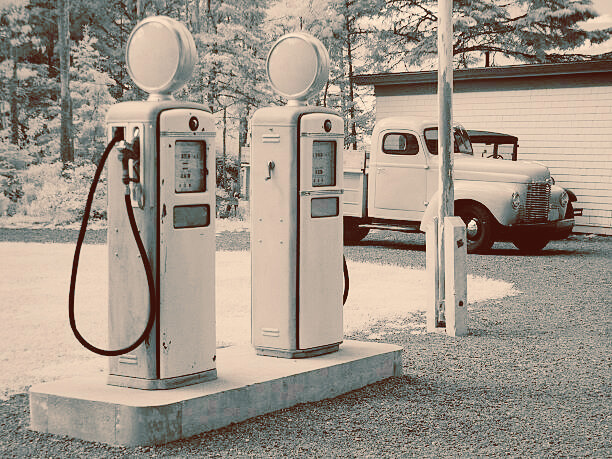
Whether you’re looking to cut fuel costs, use less gas, or reduce your environmental footprint, most drivers in Tullahoma & Winchester want to get the most out of every tank. We’ve all heard different fuel-saving tips, but do they actually make a difference? How much can better driving habits and regular maintenance impact your fuel economy?
Fortunately, the U.S. government has researched this, and the results show that even small changes can lead to big savings. Let’s take a closer look at what really works.
Keeping your vehicle well-maintained can have a direct impact on fuel economy. A routine tune-up can improve gas mileage by 4%, which translates to saving about 14¢ per gallon when gas is $3.50, or 16¢ per gallon at $4.00.
Some repairs can make an even bigger difference. A faulty oxygen sensor, for example, prevents the engine from properly balancing fuel and air, which leads to wasted gas. Replacing a bad sensor can improve fuel efficiency by up to 40%! That’s why it’s important to bring your vehicle to Russell Barnett Automotive Family for regular checkups.
If your check engine light is on, don’t ignore it. Many issues that trigger this warning can hurt your gas mileage. Let our team in Tullahoma & Winchester diagnose and fix the problem so you can save more at the pump.
Did you know that keeping your tires properly inflated can improve fuel economy by 3%? Even a slight drop in tire pressure can make a difference, so checking them weekly is a simple habit that pays off.
Using the correct type of motor oil for your car is another easy way to save. The right oil viscosity can increase fuel efficiency by 2%, so always follow your vehicle’s manufacturer recommendations.
One of the easiest and most cost-effective ways to improve fuel efficiency is to change the way you drive.
Rapid acceleration, hard braking, and sudden lane changes waste fuel. Driving smoothly and steadily can save up to 5% on gas in the city and an impressive 33% on the highway.
Speeding is another fuel-wasting habit. Driving just 5 mph over the speed limit can reduce fuel economy by 7%, while going 15 mph over can cost you 23% more per gallon. Slowing down isn’t just safer—it’s also easier on your wallet.
Carrying unnecessary weight makes your engine work harder, which lowers fuel efficiency. Removing 100 pounds of extra cargo can improve gas mileage by 2%. So, clean out your trunk and avoid hauling around items you don’t need.
Next time someone asks for a ride, you might jokingly say, “Sure, but you’re costing me extra at the pump!”
By keeping up with maintenance, driving more efficiently, and reducing excess weight, you can make a real difference in your fuel economy. These small adjustments add up over time, helping you save money and get the most out of every gallon.
Start making these changes today, and enjoy a smoother, more fuel-efficient ride!
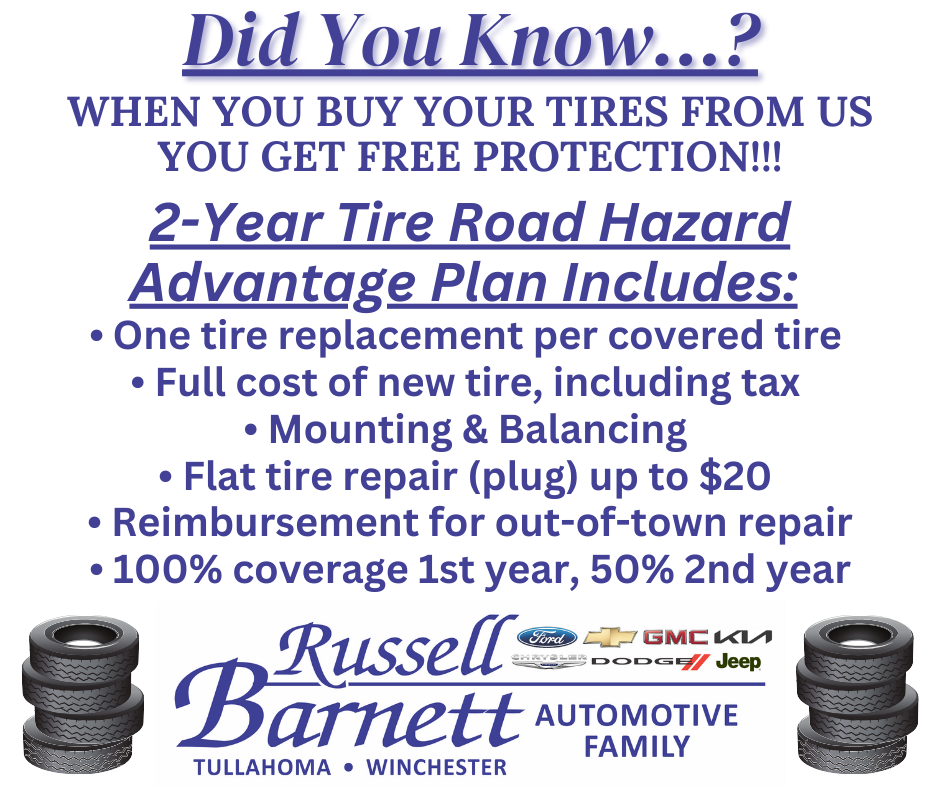
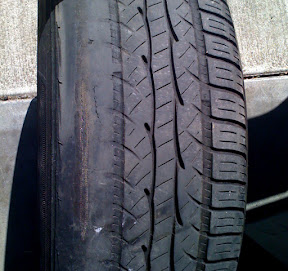
Tips to Extend Your Tire Life and Enhance Safety
Taking proper care of your vehicle’s tires not only saves you money but also improves performance and safety. Follow these essential guidelines to maximize their lifespan:
By following these key steps, you’ll extend your tires’ lifespan, enhance driving safety, and save on replacement costs. Safe travels!