
Safety And Savings With Tire Maintenance
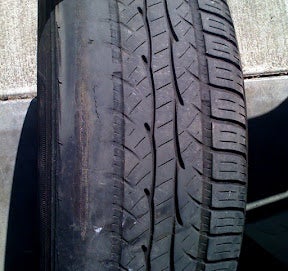
Poor alignment causes uneven wear. Tips to Extend Your Tire Life and Enhance Safety Taking proper care of your vehicle’s tires not only saves you money but also improves performance and safety. Follow these essential guidelines to maximize their lifespan: 1. Keep Tires Properly Inflated Check tire pressure at least once a month and before long trips. Inflate them to the recommended PSI, which can be found in the owner’s manual or on the driver’s side doorjamb. Underinflation leads to excessive edge wear, while overinflation causes center wear. 2. Rotate Tires Regularly Rotate your tires every 5,000 to 7,500 miles or as specified by the manufacturer. This ensures even tread wear and extends their lifespan. 3. Ensure Proper Wheel Alignment Misaligned wheels cause uneven tread wear and reduce tire life. If you notice pulling, vibrations, or uneven wear, have an alignment check done. 4. Balance Your Tires Unbalanced tires can lead to vibrations and premature wear. Balance them when installing new ones or if you experience shaking at certain speeds. 5. Drive Smoothly Avoid aggressive acceleration, sudden braking, and sharp turns, which wear out tires faster. Drive cautiously over potholes, rough roads, and curbs to prevent unnecessary damage. 6. Check Suspension Components Worn shocks, struts, and ball joints contribute to uneven tire wear. Have your suspension system inspected regularly to maintain even tread wear. 7. Inspect Tires for Damage and Tread Depth Look for cracks, bulges, cuts, or embedded objects that may cause issues. Perform the penny test: Insert a penny into the tread with Lincoln’s head down—if the top of his head is visible, the tread is too worn and needs replacement. 8. Avoid Excess Weight Carrying too much weight places unnecessary stress on the tires, leading to quicker wear. Follow your vehicle’s recommended load capacity to maintain optimal performance. 9. Store Tires Properly When Not in Use Keep spare or seasonal tires in a cool, dry location, away from direct sunlight and chemicals. Store them upright or stacked correctly to avoid deformation. 10. Select the Right Tires for Your Needs Choose tires suited for your driving conditions, whether all-season, winter, or performance tires. Investing in high-quality tires can improve longevity and overall durability. By following these key steps, you’ll extend your tires’ lifespan, enhance driving safety, and save on replacement costs. Safe travels!
Employee Spotlight
A Stitch In Time (Winter Battery Checkup)
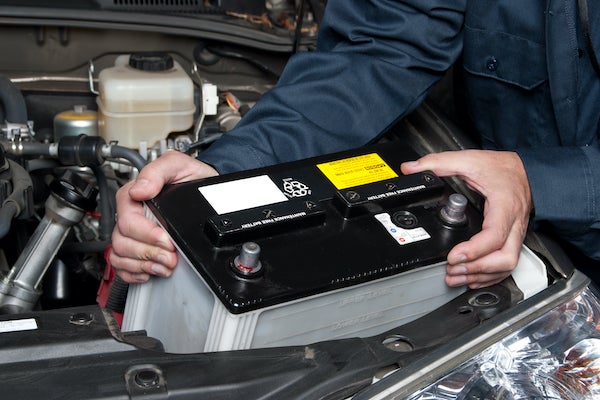
A service technician replaces a battery. You probably have heard that expression, "A stitch in time saves nine." In other words, if you fix an issue at its early stages, it will prevent a much more difficult problem later. That's certainly the case with your vehicle, and here's a true story to demonstrate it. A driver noticed his vehicle was due for an oil change, so he took it in to his service facility early in the morning so he could wait while the work was performed. The technician routinely checks the battery on vehicles just before extreme weather is approaching (cold or hot), so with winter coming up, he hooked up the load tester (it measures voltage while a load is put on the battery). It showed the battery wasn't holding a charge well. The technician checked the manufacturing date on the battery, too (most batteries have a date stamped in code somewhere on them). The date showed it was five years old. While batteries can last more than five years, many technicians say you should expect to get anywhere from three to six years out of them, depending on what they go through. So, this battery was getting a little long in the tooth, and it wasn't holding a charge particularly well. But how much current was it being sent by the vehicle's alternator? If it wasn't getting enough, that might be a factor. A test of the charging system showed the alternator was putting out the correct amount of power. The technician recommended replacing the battery, and the driver agreed. That was the stitch in time. Had the technician not checked the battery, that driver likely would have been stranded the next time he tried to start his vehicle on a very cold day. What originally was supposed to be just an oil change led to a technician's sharp diagnosis and a little preventative maintenance for one fortunate driver. Sometimes timing is everything.
December Employee Spotlight
Annual Christmas Party
Every year the Russell Barnett Automotive Family hosts a Christmas party for all of our employees and their guests. Our employees work so hard throughout the year, and this gives us a chance to show our appreciation for them with great food, gifts, and some really fun games. The party gets a little bigger every year as our wonderful automotive family continues to grow. While everyone is together, it is a perfect time to recognize our employees’ achievements as they reach goals and milestones in their careers. From welcoming new employees to celebrating someone’s 30 th year (or more) with us, or from celebrating a salesperson’s first vehicle sold to celebrating a 5,000 th vehicle sold – there are always plenty of achievements to be proud of as our employees advance through various stages of their careers. Most importantly, our annual Christmas party is a chance for everyone to get together and celebrate the holiday season. It’s easy to stay focused on the work and lose sight of the more important things in life, but Russell always makes sure to give back. If there’s one thing that has always mattered the most to Russell Barnett, it’s taking care of people. This includes his family, employees, customers, friends, and the surrounding communities. Let’s have another spectacular Christmas season together, and then get ready for another great year with the Russell Barnett Automotive Family!
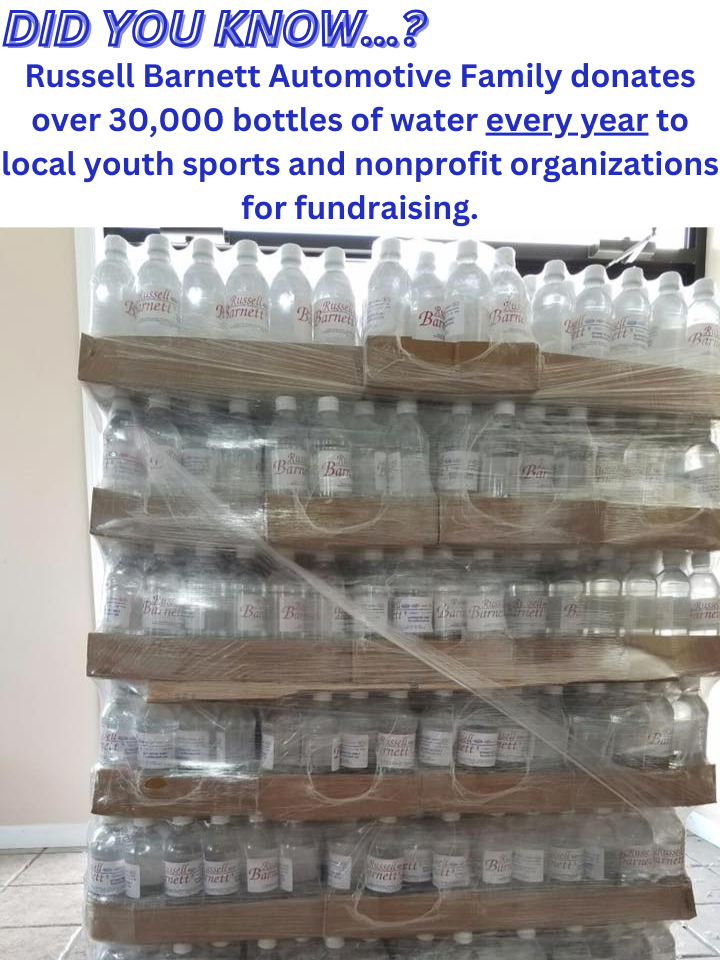
Did You Know...?
November Employee Spotlight
Did You Know?
UNDER CONSTRUCTION SALE!
Improving Your Credit
Improving your credit score is crucial for better financial opportunities like securing loans, lower interest rates, and qualifying for mortgages. Here are practical tips to help you improve your credit: 1. Pay Bills on Time Why: Payment history is the most important factor in your credit score, accounting for about 35%. How: Set up automatic payments or calendar reminders to avoid missing due dates. 2. Keep Credit Utilization Low Why: Your credit utilization ratio (how much credit you're using compared to your total available credit) impacts about 30% of your score. How: Aim to use no more than 30% of your available credit across all accounts. If possible, try to keep it under 10%. 3. Avoid Opening New Accounts Frequently Why: Hard inquiries from applying for new credit can temporarily lower your score. Too many new accounts can also shorten your average credit age, which affects about 15% of your score. How: Apply for new credit only when necessary. 4. Pay Down Debt Strategically Why: Reducing your overall debt improves your credit utilization and lowers your debt-to-income ratio, which creditors evaluate. How: Use methods like the debt snowball (paying off the smallest debts first) or debt avalanche (tackling the highest-interest debts first). 5. Don’t Close Old Credit Cards Why: Closing a card reduces your available credit and may increase your credit utilization ratio. It also affects the length of your credit history. How: Keep older accounts open, even if you’re not using them actively. Occasionally make a small purchase to keep the account active. 6. Check Your Credit Reports Regularly Why: Errors on your credit report (such as inaccurate accounts or missed payments) can harm your score. How: Get a free credit report annually from all three major credit bureaus (Equifax, Experian, TransUnion) at AnnualCreditReport.com and dispute any inaccuracies. 7. Become an Authorized User Why: If a trusted friend or family member adds you as an authorized user on their account, their positive credit history can boost your score. How: Ensure the primary account holder has a good payment history and low utilization. 8. Use Credit-Builder Loans or Secured Credit Cards Why: These tools are designed for individuals with limited or damaged credit. How: Credit-builder loans allow you to build credit as you make monthly payments. Secured credit cards require a deposit, which acts as collateral, and are easier to get approved for. 9. Diversify Your Credit Mix Why: Having a mix of credit types (credit cards, loans, etc.) can positively affect your score (about 10% of your total score). How: Don’t open new types of credit just for the sake of it, but managing different types of credit responsibly can help. 10. Negotiate with Creditors Why: If you’re struggling with debt, negotiating with creditors may help you set up a payment plan that’s more manageable, helping you avoid missed payments. How: Contact your creditor and explain your situation; many will work with you to avoid default. Improving your credit takes time, but consistent, responsible financial behavior will have a positive impact in the long run.
Warranties include 10-year/100,000-mile powertrain and 5-year/60,000-mile basic. All warranties and roadside assistance are limited. See retailer for warranty details.