

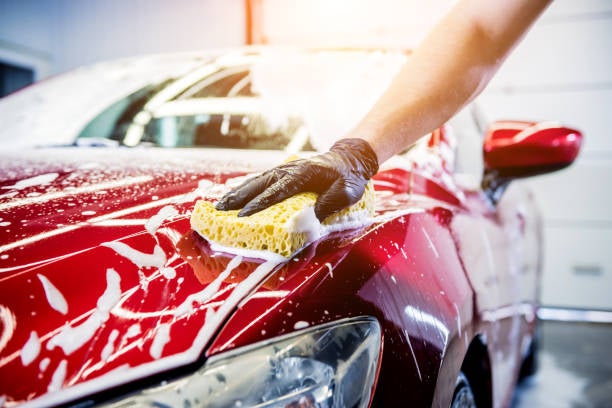
Car Washing Tips
Washing your car properly not only keeps it looking great but also helps maintain its condition by preventing damage to the paint. Here's a step-by-step guide on how to wash your car correctly: 1. Prepare the Tools and Materials Car wash soap (avoid dish soap, as it can strip wax and damage the finish) Buckets: Use two buckets—one for soapy water and one for rinsing your wash mitt. Wash mitt or microfiber sponge (soft and non-abrasive) Hose with nozzle or a pressure washer (on a gentle setting) Wheel cleaner and brush (optional) Microfiber drying towels or a soft chamois Wax or sealant (optional) 2. Choose the Right Location Wash your car in a shady area or on a cloudy day to prevent soap and water from drying too quickly, which can cause water spots. 3. Pre-rinse the Car Rinse your car thoroughly with water before applying any soap. This removes loose dirt and debris, preventing scratches during washing. 4. Start with the Wheels Clean the wheels first, as they tend to be the dirtiest part of the car. Use a separate wash mitt or brush and wheel cleaner to scrub each wheel. Rinse the wheels thoroughly when done. 5. Wash the Car with the Two-Bucket Method Fill one bucket with water and car wash soap (follow the soap's instructions), and another with plain water for rinsing. Start washing from the top and work your way down. The top of the car is typically the cleanest, while the lower sections and wheels are the dirtiest. Dip the mitt into the soapy water, wash a section of the car, then rinse the mitt in the second bucket before reloading it with soap. This prevents dirt from being reintroduced onto the car’s surface. Use straight-line motions instead of circular motions to avoid swirl marks. 6. Rinse Often Rinse the car frequently to prevent soap from drying on the surface, which can leave streaks or spots. 7. Final Rinse After washing all sections of the car, give it a thorough final rinse, making sure no soap is left behind. 8. Dry the Car Use microfiber towels or a chamois to dry the car completely to prevent water spots. Start with large sections and finish with smaller areas like door sills and mirrors. Use a blow dryer or a leaf blower to remove water from crevices if you want to avoid water dripping after drying. 9. Optional: Wax or Sealant After drying, apply a wax or sealant to protect the paint and give it a glossy finish. Follow the instructions on the wax or sealant product for proper application. 10. Clean the Windows Use a glass cleaner and a microfiber cloth to clean the windows inside and out. Bonus Tips: Avoid direct sunlight: It can cause soap and water to dry too quickly, leaving spots. Use separate towels for different parts of the car: One for wheels, one for drying, and one for waxing. Don’t forget the undercarriage: Especially if you’ve driven through mud or salty roads. Following these steps will help you wash your car effectively while protecting the paint and keeping it in great condition!
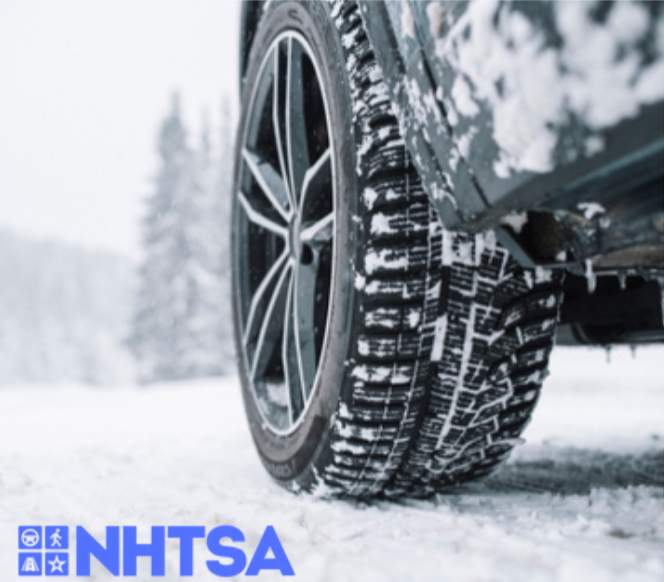
Winter Weather Driving
Preparing Your Vehicle Tires As the outside temperature drops during the winter, so does tire inflation pressure. Make sure each tire is filled to the vehicle manufacturer’s recommended inflation pressure, which is in your owner’s manual and on a label located on the driver's side door frame. Do not inflate your tires to the pressure listed on the tire itself. That number is the maximum pressure the tire can hold, not the recommended pressure for your vehicle. Some other tips: Inspect your tires at least once a month and before long road trips. It’s best to check the tires when they’re cold, meaning that they have not been driven on for at least three hours. Check each tire’s age. Some vehicle manufacturers recommend replacing tires every six years regardless of use. An inspection is not just about checking tire pressure and age. Remember to check: for any damage or conditions that may need attention; the tread and sidewalls for any cuts, punctures, bulges, scrapes, cracks, or bumps. The tread should be at least 2/32 of an inch or greater on all tires; and your spare tire. If you find tire damage, take your vehicle to a tire service professional. Batteries When the temperature drops, so does battery power. In cold weather, gasoline and diesel engines take more battery power to start, and electric and hybrid-electric vehicles’ driving range can be reduced. Have a mechanic check your battery, charging system, belts, and for any other needed repairs or replacements. Safety Technologies Familiarize yourself with the safety technologies on your vehicle and how they perform in wintry conditions. Know whether your vehicle has an antilock brake system and learn how to use it properly. Antilock brake systems prevent your wheels from locking up during braking. If you have antilock brakes, apply firm, continuous pressure to the brake pedal. If you don’t have antilock brakes, you may need to pump your brakes if you feel your wheels starting to lock up. For more information on driver assistance technologies, visit NHTSA.gov/DriverAssistTech. Floor Mats Due to slushy winter conditions, you might consider switching out your usual floor mats for thicker material or rubbery ones. Improperly installed floor mats in your vehicle could interfere with the operation of the accelerator or brake pedal, increasing the risk of a crash. Follow the manufacturer’s instructions for mat installation and use retention clips to secure the mats. Always use mats that are the correct size and fit for your vehicle. Lights Check your headlights, brake lights, turn signals, emergency flashers and interior lights. Be sure to also check your trailer brake lights and turn signals, if necessary. Windshield Wipers You can quickly go through a lot of windshield wiper fluid in a single snowstorm. Make sure your vehicle’s reservoir is full of high-quality “winter” fluid with de-icer before winter weather hits. Make sure defrosters and all windshield wipers work and replace any worn blades. Consider installing heavy-duty winter wipers if you live in an area that gets a lot of snow and ice. Cooling System Make sure you have enough coolant in your vehicle, and that it meets the manufacturer’s specifications. See your vehicle owner’s manual for recommendations. Check the cooling system for leaks, test the coolant, and drain or replace the old coolant. You may also want to visit your mechanic for a tune-up and ask them to check for leaks, badly worn hoses, or other needed parts, repairs, and replacements. Before You Go Stock Your Vehicle Carry items in your vehicle to handle common winter driving-related tasks, and supplies you might need in an emergency, including: a snow shovel, broom, and ice scraper; abrasive material (sand or kitty litter), in case your vehicle gets stuck in the snow; jumper cables, flashlight, and warning devices (flares and emergency markers); blankets for protection from the cold; and a cell phone and charger, water, food, and any necessary medicine. Gas Up or Plug It In Keep your gas tank close to full whenever possible. Similarly, in the case for electric and hybrid-electric vehicles, it is important keep your battery charged and to also minimize the drain on the battery. In general, batteries with liquid electrolyte have reduced energy storage and delivery capabilities at lower temperatures, which is why most all vehicle batteries use battery power for self-heating in low temperatures. The battery drain due to heating can be minimized by keeping your electric vehicle as warm as possible during freezing temperatures. A common way to do this is plugging your vehicle in at night during the winter – keeping the battery in its optimal temperature ranges. Plan Your Route Check your local weather and traffic reports before heading out. If your roads are not in good shape, consider postponing non-essential travel until the roads are cleared. If you do have to go out, make sure you are prepared in case you become delayed while traveling. If making a long road trip when winter weather is forecasted, consider leaving early or changing your departure to avoid being on the roads during the worst of the storm. Familiarize yourself with directions and maps before you go—even if you use a GPS—and let others know your route and anticipated arrival time. On longer trips, plan enough time to stop to stretch, get something to eat, check your phone, and change drivers or rest if you feel drowsy. Driving Basics Slow down. It’s harder to control or stop your vehicle on a slick or snow-covered surface. In fact, in 2021, there were an estimated 121,156 police-reported crashes that occurred when there was snow/sleet conditions at the time of the crash. On the road, increase your following distance enough so that you’ll have plenty of time to stop for vehicles ahead of you. Don’t crowd a snow plow or travel beside the truck. Snow plows travel slowly, make wide turns, stop often, overlap lanes, and exit the road frequently. If you find yourself behind a snow plow, stay far enough behind it and use caution if you pass the plow. What to Do in an Emergency If you are stopped or stalled in wintry weather, stay focused on yourself and your passengers, your car, and your surroundings. Stay with your car and don’t overexert yourself. Let your car be seen. Put bright markers on the antenna or windows and keep the interior dome light on. Be mindful of carbon monoxide poisoning. Make sure your exhaust pipe is clear of any snow and run your car only sporadically — just long enough to stay warm. Don’t run your car for long periods of time with the windows up or in an enclosed space. Source: https://www.nhtsa.gov/winter-driving-tips#driving-in-winter-weather
 Warranties include 10-year/100,000-mile powertrain and 5-year/60,000-mile basic. All warranties and roadside assistance are limited. See retailer for warranty details.